
You accept the use of cookies as
described in our Privacy Policy.
Is Your Water Heater Ready for a Cold Snap?
5 Things Homeowners Should Check
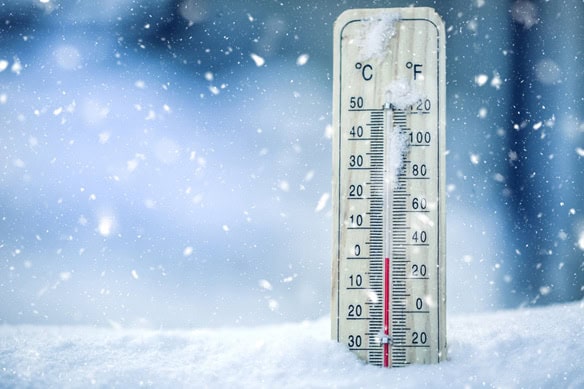
Just when you think you’ve finally made it through another long winter, cold snaps and late-season freezes can come out of nowhere. These sudden drops in temperature can put a lot of strain on your home plumbing systems, including water heaters.
Cold snaps are notorious for catching homeowners off guard, but with a little advanced preparation, it’s possible to avoid any undue lapses in water heating performance.
Winter Water Heater Tips
To protect your water heater from freezing or otherwise underperforming, consider a few basic cold weather plumbing guidelines.
- Insulate exposed piping. Any pipes connected to your water heater that run through unheated areas — basements, crawl spaces, garages, along exterior walls — are susceptible to freezing. Insulation with foam pipe sleeves or heat tape can go a long way toward keeping them warm, and ultimately minimize the risk of a frozen plumbing system. Note: Piping insulation is equally critical for tank and tankless water heaters.
Your plumbing professional can make sure your pipes are properly insulated. Don’t have a plumbing professional? Click here to find a Bradford White plumber near you. - Check venting and airflow. For gas water heaters in particular, proper venting is key. Head outside to perform a quick visual inspection, ensuring vents aren’t blocked by snow, ice or other kinds of debris. A blocked vent can compromise both the performance and the safety of your water heater. Clear airflow keeps the system operating efficiently, even during the stress of a cold snap.
- Keep an eye out for rust and condensation. Fluctuating temperatures can cause condensation to form on the water heater tank. While some moisture may be normal, excessive condensation, pooling water or visible rust could indicate corrosion or even a leak. Catching these signs early can prevent bigger problems if temperatures continue to plunge.
If you do see rust or leaks, and especially if your water heater is more than 10 years old, it might be a good time to proactively replace your water heater before it fails completely.
Upgrading your water heater now can save you money and give you peace-of-mind. - Look for signs of freeze damage. During winter, it’s wise to regularly inspect tanks, pipes and fittings for common signs of freezing damage: think cracks, leaks and bulges. Other warning signs include strange noises and a decrease in hot water production. If you do suspect freeze damage, seek professional help quickly to minimize any further damage to your home. Use our Contractor Directory to connect with skilled plumbing professionals in your area.
- Know when to call a pro. Indeed, one of the best ways to keep a system running smoothly and to avoid catastrophic failures is to call a licensed plumber when needed. Unusual sounds and visual signs of wear are both red flags that warrant professional attention. When in doubt, remember that it’s always better to call a plumber in advance than to wait for freezing weather and system failure.
Bradford White Tip: Regular maintenance and flushing (at least once a year) will help maintain optimal efficiency and can extend the life of your water heater.
Don’t risk a late-winter freeze without taking the right precautions. That means knowing who to call should problems arise. Don’t have a plumbing professional? Take a moment now to find a Bradford White professional in your area.