

You accept the use of cookies as
described in our Privacy Policy.
How Hard Water Affects Your Water Heater
(And What You Can Do About It)
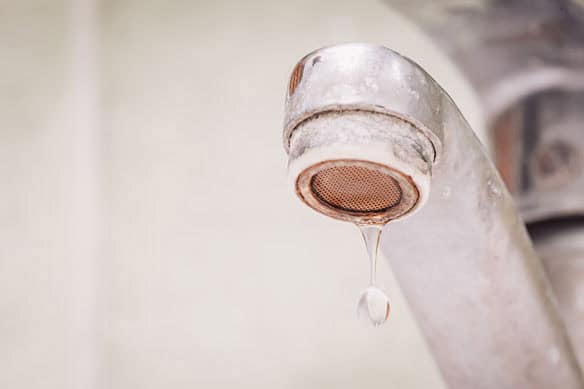
Many factors affect the operational reliability of residential water heaters, some of them obvious and some of them less so. For example, it can be easy for homeowners to overlook the impact of hard water on their water heating system, but it’s important to know hard water can have a significant effect on water heater performance and efficiency.
What is hard water, exactly? The term references any regional water supply that contains high levels of dissolved minerals, primarily calcium and magnesium. While these minerals are not harmful to drink, they can accumulate inside plumbing fixtures and appliances over time. For water heaters, this sediment buildup contributes to increased energy waste and, if left unaddressed, to considerable repair needs.
How Can Hard Water Damage a Water Heater?
It’s important to note that both traditional tank water heaters as well as tankless systems can be affected by hard water. As heated water flows through the unit, minerals naturally separate from the water and settle inside the system. Over time, this accumulation can interfere with the heater’s ability to operate the way it’s meant to.
Several common issues may arise because of mineral buildup:
- Scale and sediment accumulation. Calcium and magnesium deposits can settle on heating elements and the bottom of the tank, creating a layer of sediment that hampers performance.
- Reduced efficiency. Sediment buildup may also force the heater to work harder to heat water, increasing energy consumption and utility bills.
- Unusual noises. Popping, rumbling or banging sounds often occur when water becomes trapped beneath hardened mineral deposits and boils.
- Shortened lifespan. Unaddressed mineral accumulation strains mechanical components, potentially causing the unit to fail earlier than it would otherwise.
Preventing Hard Water Damage to a Water Heater
There are a few basic steps homeowners can take to help protect their water heaters from the effects of hard water. Routine maintenance, such as flushing the tank according to manufacturers’ guidelines and having the anode rod inspected, can remove sediment buildup and help ensure efficiency. For tankless models, regular descaling of the heat exchanger may be necessary to eliminate build-up from hard water. In homes with significant mineral content in the water supply, installing water treatment solutions like water softeners may be smart. If you do choose to install a water softener, you may want to ask your plumbing professional about also installing an aluminum anode rod and the maintenance needs that come with it.
Because water heater systems and local mineral levels can vary, homeowners may benefit from professional assistance. A licensed plumber can inspect the system, perform a proper flush and recommend treatment options as needed. Use our Contractor Directory to connect with skilled plumbing professionals in your area.